
Teach Yourself Foraging - Part 2
This is how you do it

The Right Order
So, have you figured out your trees, vines, and landscaping plants as shown in Part 1. of this guide to teaching yourself? If not, I’ll wait.
Okay, got them? Good! The skills you picked up confirming those plants are more necessary as we delve deeper into foraging. The next two types of plants on which you should learn kind of overlap through most of their life, except during flowering.
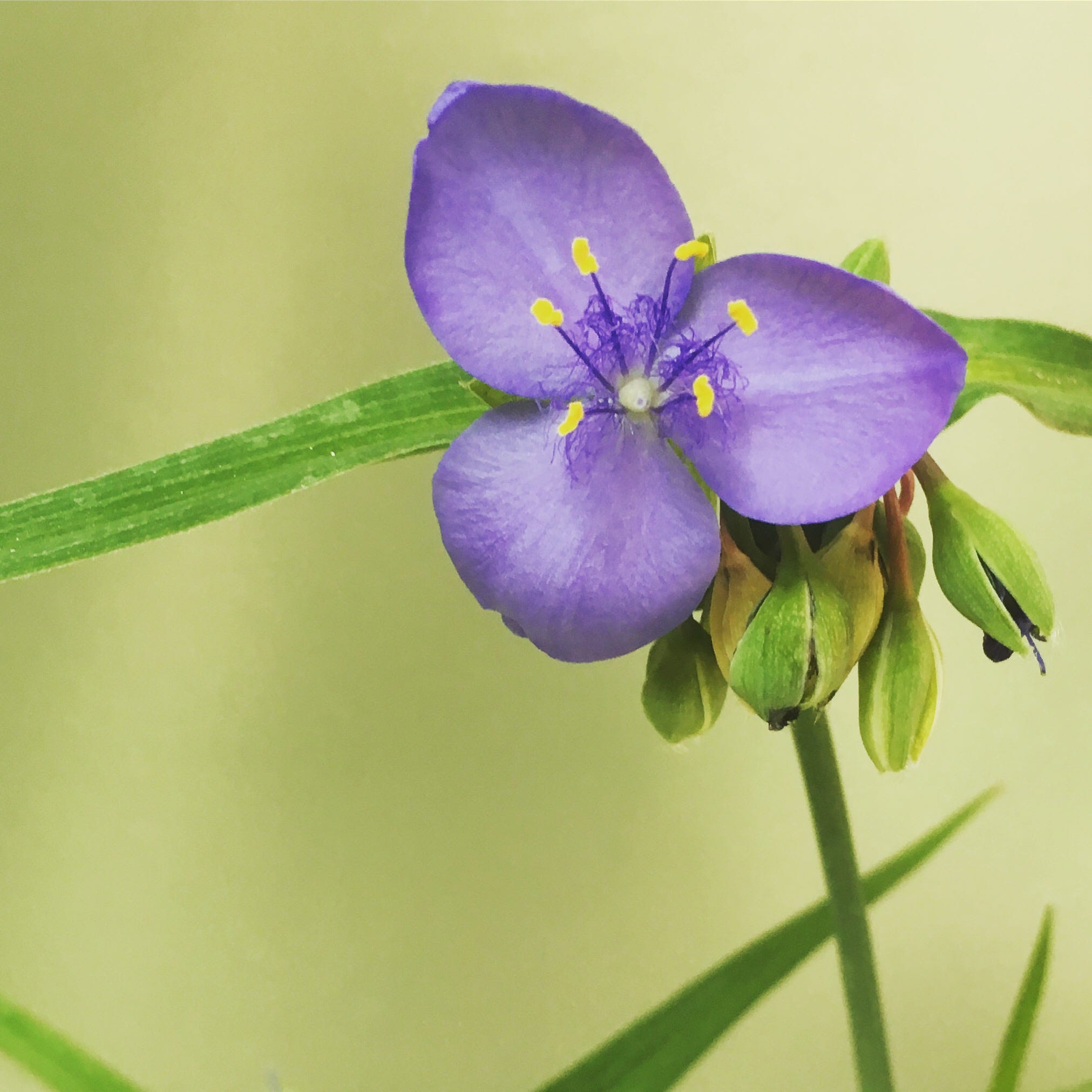
Learn the Wildflowers - The structural features of flowers are fantastic for plant identification. There the size, color, arrangement, number of petals, shape of petals, central organs, and scent, just to list some. More importantly, people LOVE flowers, leading to some truly excellent wildflower identification books. In my opinion, the #1 guide is Michael Eason’s Wildflowers of Texas due to its comprehensive nature and color-coded arrangement. This book makes wildflower identification extremely easy and foolproof. This is a book you’ll want to take out into the wild with you…so maybe get two copies. :)
Learn the Weeds - Let’s be honest, weeds can be extremely difficult to identify due to their huge numbers and subtle differences. That’s why it’s saved to almost the last. By now, if you’ve been focusing on identifying the trees, vines, landscaping, and wildflowers by their structural features, you’ll have mastered the art of properly looking at plants with the goal of identification. Think of these past studies as the “Wax on, wax off” scene in The Karate Kid - you’ve do it so much that it’s an automatic reflex when you look at any new plant. You’ll note the arrangement, edge, and vein pattern of the leaves, you’ll spot hairs or lack of hairs, you’ll look at colors, height, shape, and root systems. If there’s a flower visible, jump back to #4 and look it up in your wildflower guide. Wildflowers not in bloom are usually dismissed as weeds. You can try apps, but the more mundane the plant, the less likely they are to be recognized by AI. Because of the number of “weeds” you’ll likely need several books…or just the Weeds/Wildflowers section on ForagingTexas.com, found on the lefthand side, third section down.
Recommended weed identification books:
A. Weeds by Alexander Martin and Jean Zallinger - I designed ForagingTexas.com posts based on the wonderfully clear and useful way this book gives plant information.
B. Brush and Weeds of Texas Rangelands by Charles Hart - this book was written to help ranchers identify the weeds and bushes growing on their land that may or may not be good food plants for animals from Central Texas on eastward.
C. Common Range Plants of West Central Texas by George Clendenin - this is another guide for landowners, but farther west. It also includes grasses.
Upcoming Classes
Oct. 25th, 2025 Plant Walkabout near Wimberley, TX (8am-12pm)
Nov. 7-9, 2025 Plant Walkabouts at Georgia Bushcraft Fall gathering near Atlanta, GA
Nov. 15th, 2025 Plant Walkabout near Magnolia, TX (9am-12pm Details Coming)
Nov. 15th, 2025 Plant Walkabout near Magnolia, TX (1pm-4pm Details Coming)
Nov. 22nd, 2025 Plant Walkabout in Dripping Springs (Details Coming)
Dec. 13th, 2025 Plant Walkabout at San Jacinto Battleground near Houston, TX (Details Coming)
Jan. 25th, 2026 Foraged Cooking Class at the Houston Arboretum (1pm-4pm Details Coming)
Mar. 22nd, 2026 Plant Walkabout at the Houston Arboretum (1pm-4pm Details Coming)
May 17th, 2026 Foraged Cooking Class at the Houston Arboretum (1pm-4pm Details Coming)
If you don’t want to support Foraging Texas by subscribing to this Substack, click the image below to make a one-time donation via Venmo.

As a member of the Amazon Affiliates program, any purchases you make using the Amazon links above will earn me a small sales commission. Now that I’m no longer part of Medicine Man Plant Co., this is a critical part of supporting Foraging Texas and my family, so yes I’m hoping you buy something from above.