
Here Be Widowmakers
Snakes and poison ivy aren't the biggest danger

Important knowledge of the wild is being lost, both the blessings it offers and the dangers that lurk. One can still camp and enjoy nature, blind to its gifts, but over and over I see people setting up camp or even just resting under widowmakers. This is a big problem.
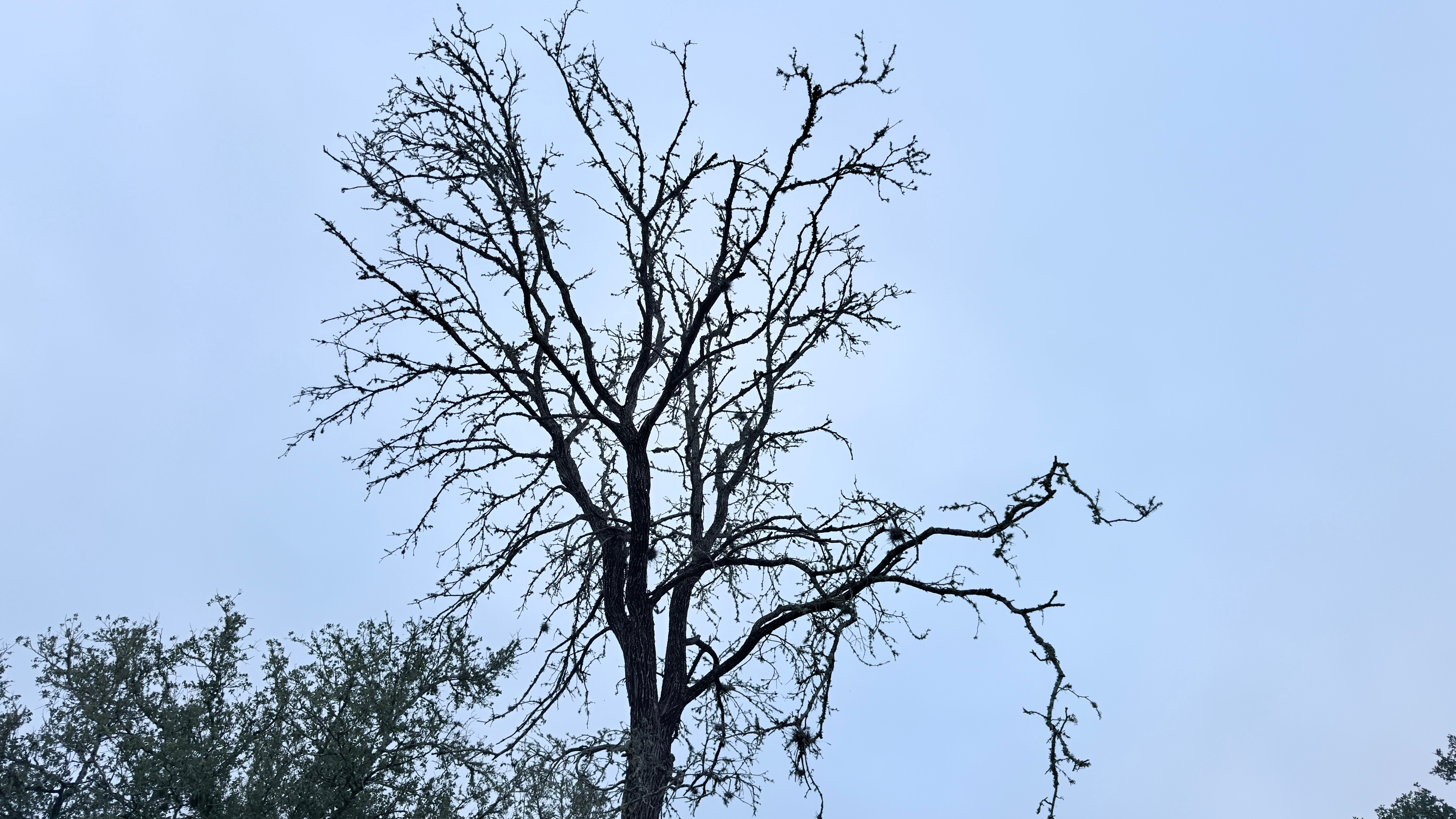
What is a Widowmaker?
Due to the lack of traditional Native American purpose-set forest fires, our woods are filling with dead and dying trees. The wood of these trees has been weakened by natural decay, but they still weigh a lot. Large branches can be ruined to the point where a bit of wind or just gravity itself will suddenly break it off and send it crashing to the ground. High winds are even worse for breaking branches or toppling an entire dead tree.
Why is it Dangerous?
In 2024, all the hiking trails and forest roads in the Sam Houston National Forest were closed after a series of heavy storms left thousands of broken branches caught in the branches of other trees. Each of these created a “Zone of Death” beneath it. It took volunteers almost a year to safely drop and cut up the widomakers above the trails and popular camping sites, but many remain lurking above the off-trail areas. Approximately 100 people a year are injured or killed by falling trees in the USA. A number of these occur during extreme storms, but also campers, hikers, hunters, and birdwatchers out on a simple adventure ending up felled by falling wood. As more novices enter the forest, having never been alerted to the danger, the risk of injury is climbing.
Avoiding Widowmakers
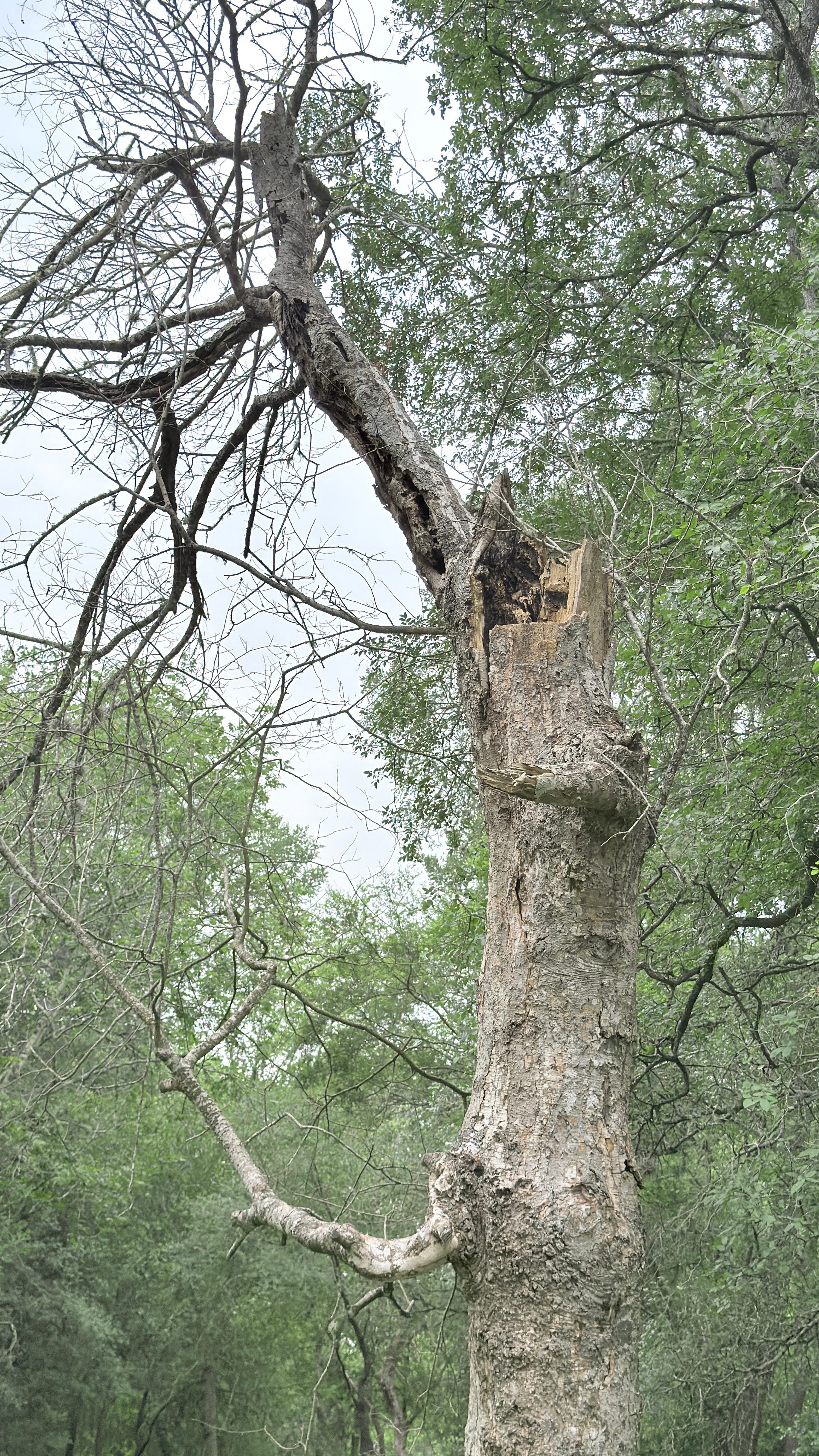
The great thing about widowmakers is once you know about them they’re easy to avoid. To steal a line from the 50’s sci-fi/horror film The Thing from Another World, “Keep watching the skies!” Just look up to see if there are any dead branches or trees that could hit you if they fall, then don’t hang out under them. This can be a bit more difficult in the winter when most trees are leafless and look dead. Search for signs such as
cracked wood
peeling bark
woodpecker holes
shelf/bracket fungus
previously-fallen branches on the ground
If you see anything like that, move away even if the weather is calm. The last thing you want is to be trapped or crushed under a heavy log, especially if you’re out in the woods alone. Note - I’m not trying to scare you away from the wild, but rather just giving you what was common knowledge but no longer is, based on the number of times I’ve seen tents and hammocks set up under widowmakers!
Upcoming Classes
May 2nd, 2026 Plant Walkabout in Collin County near Dallas, TX (9am-1pm)
May 17th, 2026 Foraged Cooking Class at Houston Arboretum (1pm-5pm)
May 30th, 2026 Plant Walkabout near Wimberley, TX (8am-12pm)
this is very true and why I always do my best to setup camp before dark even a small branch can cause a lot of damage. Look up look down look all around.
Thank you Merriwether! So many brittle storm-weathered pecan trees.
Question: Is this edible found in Texas?
Chipilin (Crotolaria longirostrata) is a leguminous plant in the bean or Fabaceae family native to Mexico and Central America. Something between an herb and a leafy green, you might say chipilin tastes like spinach crossed with clover or green beans. Some accounts say it has a sour flavor but I've never noticed that. Used traditionally for pupusas and tamales.
Is is the same as our rattlebush?
thanks for any help🙏
Pat